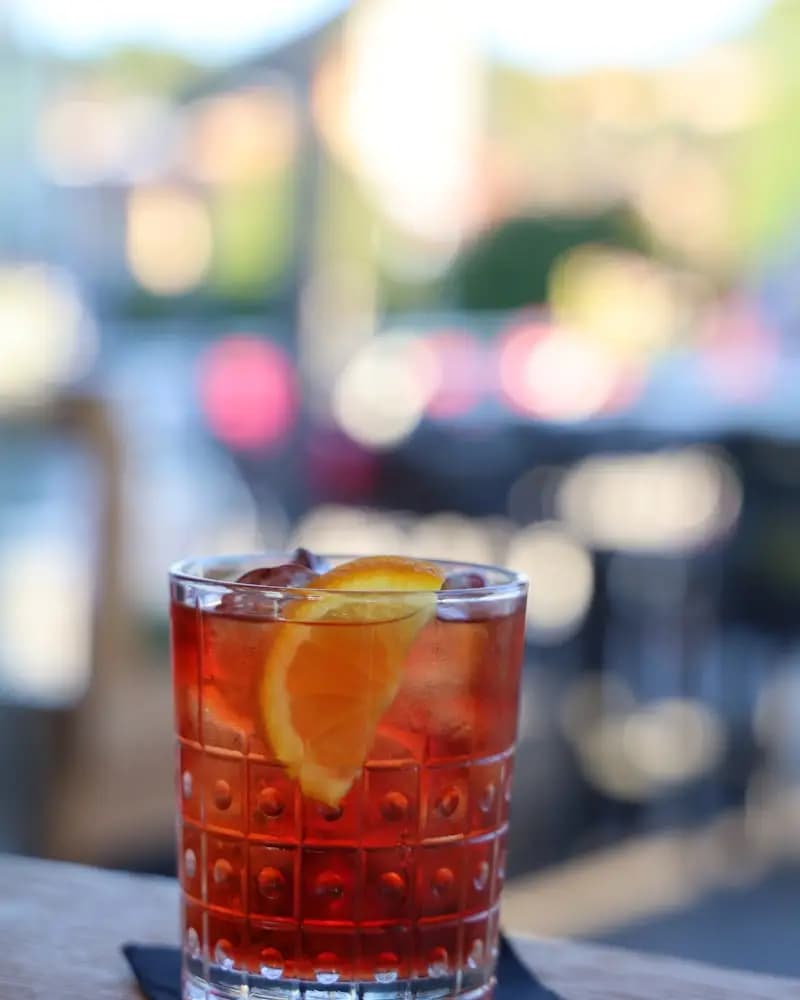
Equal parts gin, Campari, and sweet vermouth — the Negroni is a study in bitter elegance. Bold, ruby-red, and deceptively complex, it rewards those who appreciate drinks with character and depth.
Ingredients
Glass
Lowball
The Story
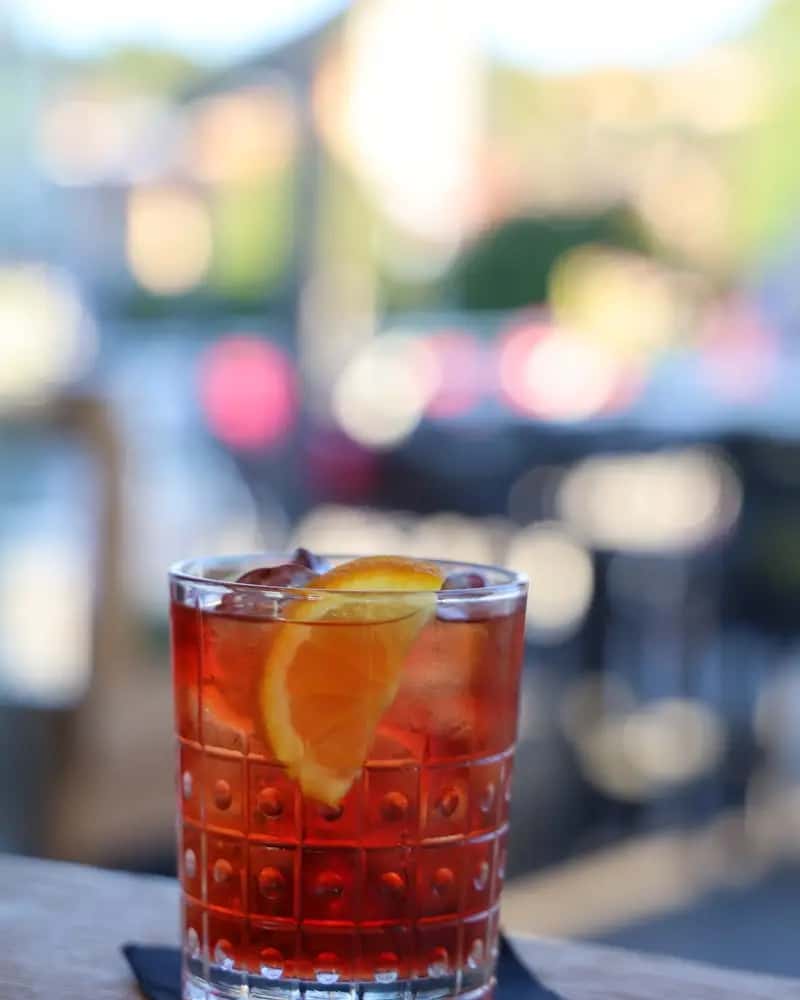
The Negroni was born in 1919 at Caffè Casoni in Florence, Italy. Count Camillo Negroni, a regular patron, asked his bartender Fosco Scarselli to strengthen his favorite Americano by replacing the soda water with gin. Scarselli obliged, and to distinguish the new drink from the Americano, he garnished it with an orange peel instead of the usual lemon. The result was an instant classic.
The Negroni went on to become one of the most influential cocktails in history, spawning an entire family of variations. Its perfect balance of bitter, sweet, and botanical has made it a bartender's benchmark and a worldwide obsession, celebrated every June during Negroni Week.
How We Make It
Ice & Glass
Fill a lowball glass with large ice cubes and chill it.
Pour
Add 30ml gin, 30ml Campari, and 30ml sweet vermouth directly to the glass.
Stir
Stir gently with a bar spoon for about 20 seconds until the ingredients combine and the drink chills.
Garnish
Express an orange peel over the glass to release essential oils and place it in the drink.
Variations
Boulevardier
Swap the gin for bourbon or rye whiskey. The result is warmer, richer, and more full-bodied — a Negroni with an American accent.
Negroni Sbagliato
A lighter, bubbly twist on the Negroni — gin is swapped for prosecco. Equal parts sparkling wine, sweet red vermouth, and Campari create a bittersweet, refreshing drink with a lower alcohol content.
White Negroni
Made with gin, Suze gentian liqueur, and Lillet Blanc. Pale gold in color, it's floral, bittersweet, and elegantly different from the original.
Bartender Tips
Equal Parts, Always
The 1:1:1 ratio is sacred. Resist the temptation to adjust — the balance between bitter, sweet, and botanical is what makes the Negroni perfect.
Choose a Gin with Character
A gin with a bold botanical profile (like Plymouth or Tanqueray) stands up to the Campari. A gin that's too delicate will simply disappear.
Vermouth Matters
Use a quality sweet vermouth and keep it refrigerated after opening. Stale vermouth is the most common reason a Negroni falls flat.