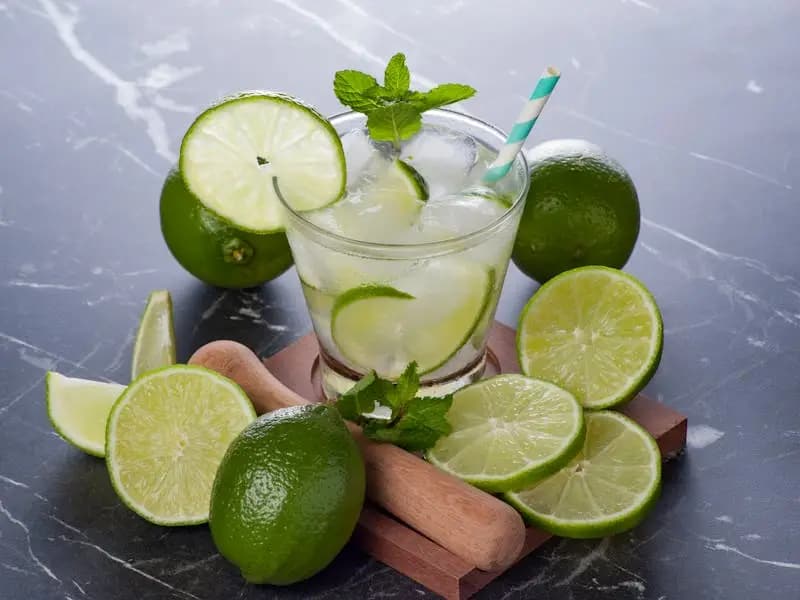
The Caipirinha is Brazil's national cocktail — cachaca, fresh lime, and sugar muddled together in a drink that is rustic, punchy, and irresistibly refreshing. It is simple, it is bold, and it tastes like Rio de Janeiro on a summer night.
Ingredients
Glass
Lowball
The Story
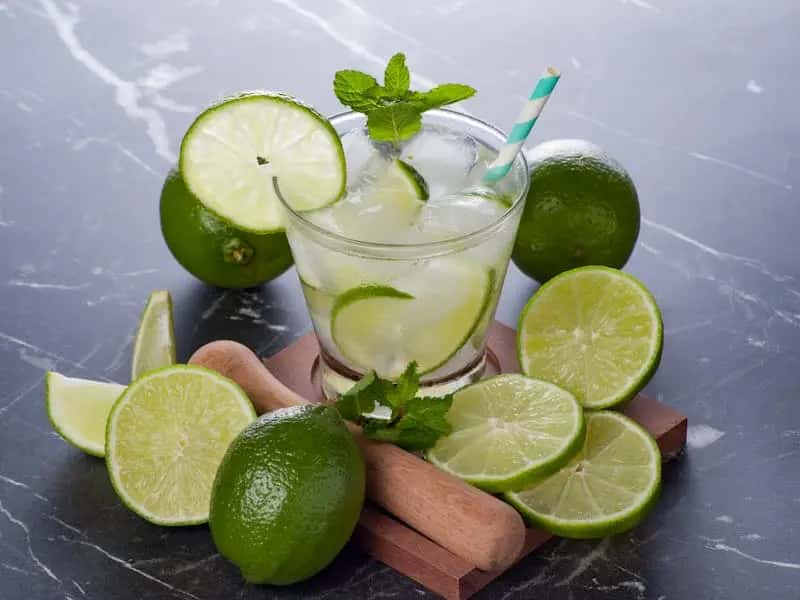
The Caipirinha is Brazil's national drink, rooted in the country's agricultural culture. Cachaca — a spirit made from sugarcane — is the soul of the drink, and its combination with muddled lime and sugar likely originated in the rural areas of Sao Paulo in the early 20th century.
The name "Caipirinha" derives from the word "caipira," meaning "rural" or "from the countryside" in Brazilian Portuguese. In the 2000s the drink broke beyond Brazil's borders and became one of the most popular cocktails in the world, especially during the summer months.
How We Make It
Lime & Sugar
Cut a whole lime into 8 wedges and place in a lowball glass with a teaspoon of sugar.
Muddle
Muddle gently with a muddler to release the lime juice and dissolve the sugar. Don't over-muddle — the bitterness from the white pith is unwanted.
Cachaca & Ice
Add 60ml cachaca and fill with crushed ice.
Stir
Stir well to combine all ingredients. Serve with a short straw.
Variations
Caipiroska
Replace the cachaca with vodka. Popular throughout Brazil and easier to make when cachaca is unavailable, though purists will argue it is not a real Caipirinha.
Passion Fruit Caipirinha
Fresh passion fruit muddled with the lime adds tropical tartness and stunning floral notes.
Mango-Chili Caipirinha
Ripe mango muddled with a chili slice — sweet, spicy, and tropical. Brazil meets Mexico in one glass.
Bartender Tips
Use Real Cachaca
Cachaca is not rum — it is distilled from fresh sugarcane juice, not molasses. Using rum makes a different drink entirely. Seek out brands like Leblon, Novo Fogo, or Avua.
White Sugar, Not Syrup
Granulated sugar dissolved with the lime creates a texture that simple syrup cannot replicate. That is part of the Caipirinha's magic.
Gentle Muddling
Over-muddling extracts bitterness from the lime peel. Press lightly, twist, and release — that is enough.